The horrors of free looting and destruction of property in South Africa, which are currently on global display, were predictable and preventable.
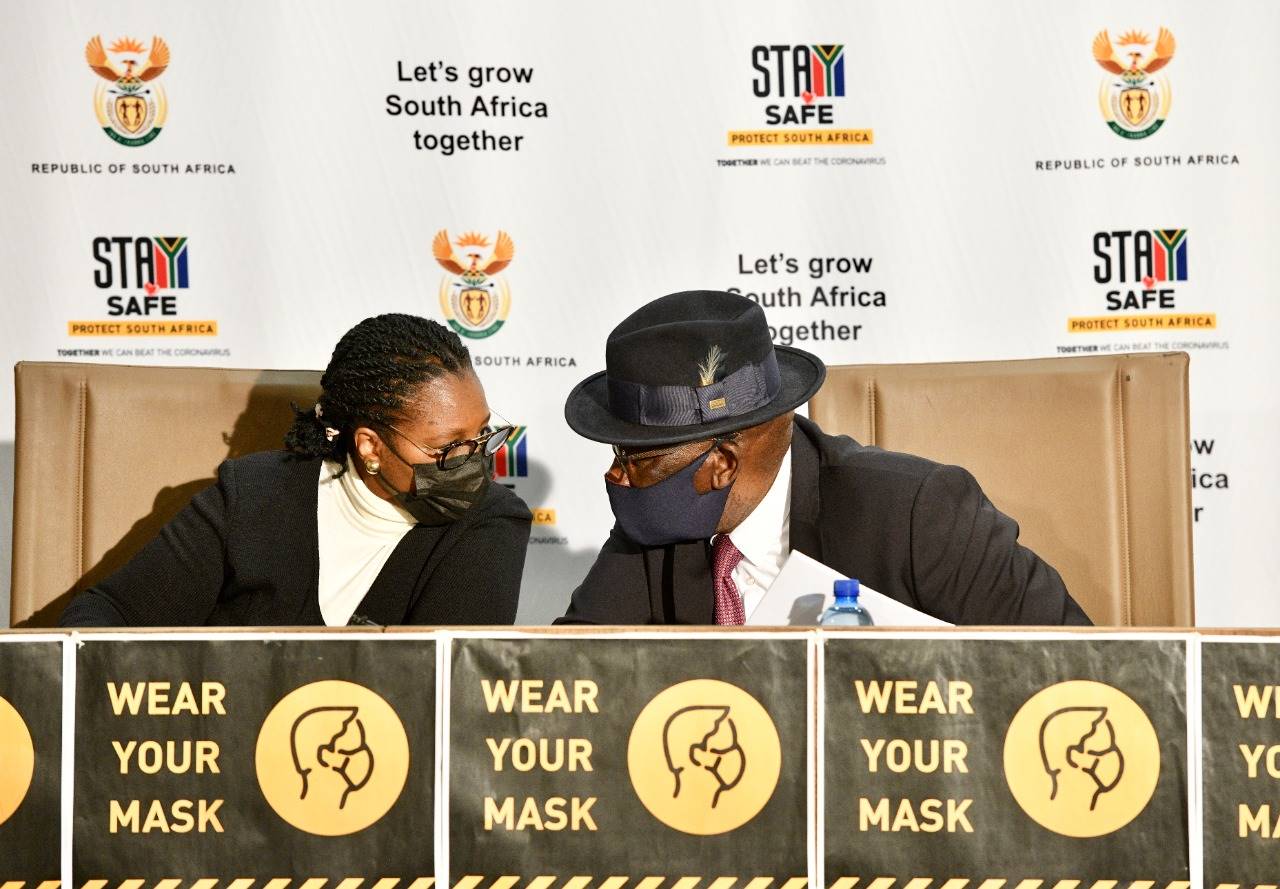
Even when the threat of chaos of war and disorder was there for everyone to see, the intelligence, Police Minister Bheki Cele and the country’s president had their blinders on.
Perhaps, these horrors are telling us that we have little or no functioning police service with an intelligence division that works to improve public safety.
South Africa is a country riddled with some of the highest crime statistics in the world, and one would assume that an effective intelligence division that worked to improve public safety should be one of our top priorities.
Yet, in the last decade the SA Police Service (SAPS) has fallen victim to budget cuts and capture with truly little crime-fighting and intelligence work being done.
The SAPS budget has suffered a steady decline, despite South Africa’s corruption-busting agencies warning that such cuts would reverse their gains.
In 2021, Finance Minister Tito Mboweni slashed the police’s budget by R11.8 billion to R96.3 billion to help fund bailouts like the floundering SAA. Look at us now.
The oldest and simplest justification for a government in a democratic society is to protect and safeguard the lives of its citizens.
That is where the public interest lies. It is essential to the preservation of democracy, and it is the duty of the court to do all it can to respect and uphold that principle.
However, we cannot solely blame budget cuts for the current catastrophe. What is clear is that we have a failing state that lacks a clear overall plan to improve policing.
The deterioration and problems in South African policing have been ongoing for years, with little evidence of a clear plan to address them. The government’s National Development Plan 2030, approved in 2012, identified possible reasons for the lack of professionalism in the national police.
As a country infused with violence and susceptible to violent protest, we knew what was coming and that it was preventable, despite all the red warnings, the threats of chaos of war and disorder, but it now appears we were ill-prepared for this kind of situation.
Last year the country was in an identical situation wherein looting, destruction of property and violence was the order of the day – a year later we are still unprepared. How long must law-abiding citizens tolerate this? Why is our government always reactive? They wait until there’s a crisis.
The idea of government as a protector requires: taxes to fund, train and equip a police force and not cut their budget; reviewing the current systems of recruiting, training, promoting, disciplining and equipping police officers – all of which generally seem to be failing.
This can only be achieved with a strong, ethical and highly skilled top management team in place, and not cadre deployment.
The president and his advisers must hang their heads in shame for once again failing to provide law and order and protect citizens from each other.
The horror of this violence is their doing – at least by omission. They are always slow to respond.
Nkosi is a public relations specialist and director of Lilanga Creatives